Imagine turning on your tap one morning and nothing comes out. No water for drinking. No water for irrigation. No water for the cities, farms, and ecosystems that depend on it. For millions of Americans living across the Southwest, that scenario has a name: Day Zero.
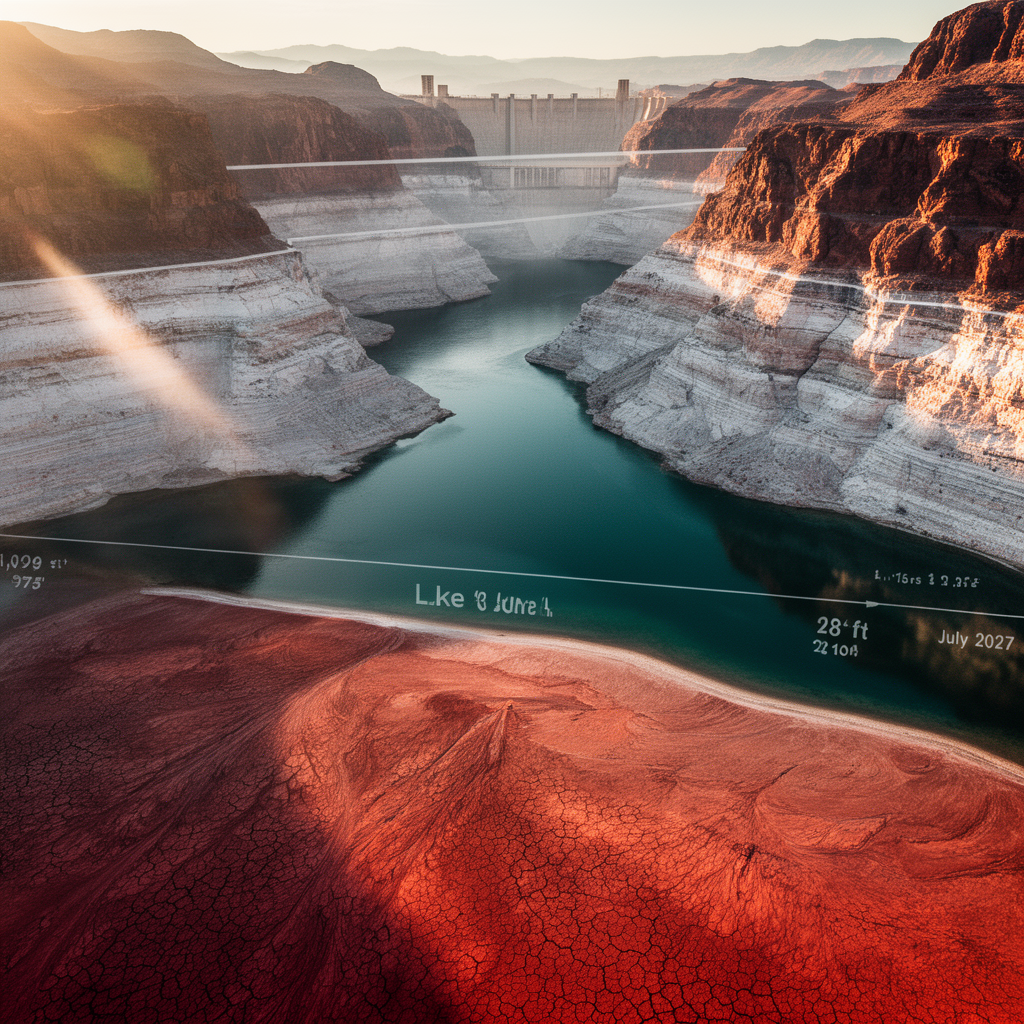
The Colorado River supplies water to over 40 million people across seven U.S. states and parts of Mexico. In June 2026, water managers are sounding the alarm louder than ever. Lake Mead, the river's largest reservoir, is on a trajectory to reach dead pool within two to four years. Dead pool is the point at which water can no longer flow through Hoover Dam. The Coachella Valley is already bracing for the moment it receives no Colorado River water at all.
This is not a distant threat. It is happening now. Understanding the depth of this water scarcity crisis, and the solutions that can avert total collapse, has never been more urgent.
The term "Day Zero" was first widely used during Cape Town, South Africa's 2018 water crisis, when the city came within weeks of completely running out of municipal water. Today, the same term is being applied to communities across the American Southwest.
For the Coachella Valley in California, Day Zero means the moment the region receives zero allocation of Colorado River water. Given that the valley has historically relied on the river for a significant portion of its supply, this is not a minor inconvenience. It is an existential threat to agriculture, tourism, and residential life in one of the nation's fastest-growing regions.
The Colorado River Basin serves:
When the river fails, the ripple effects will be felt across the entire American West and beyond.
The Colorado River Compact of 1922 divided the river's water among the basin states based on flow estimates that were, in hindsight, wildly optimistic. The compact allocated 17.5 million acre-feet per year, but the river's actual long-term average flow is closer to 12 to 13 million acre-feet. More water was promised than the river could ever deliver.
The American West is in the grip of what climate scientists call a megadrought, the worst in at least 1,200 years. Reduced snowpack in the Rocky Mountains, higher temperatures, and increased evaporation have dramatically reduced the river's flow. Between 2000 and 2022, Lake Mead dropped from nearly full to just 27% capacity, a staggering decline that shocked even veteran water managers.
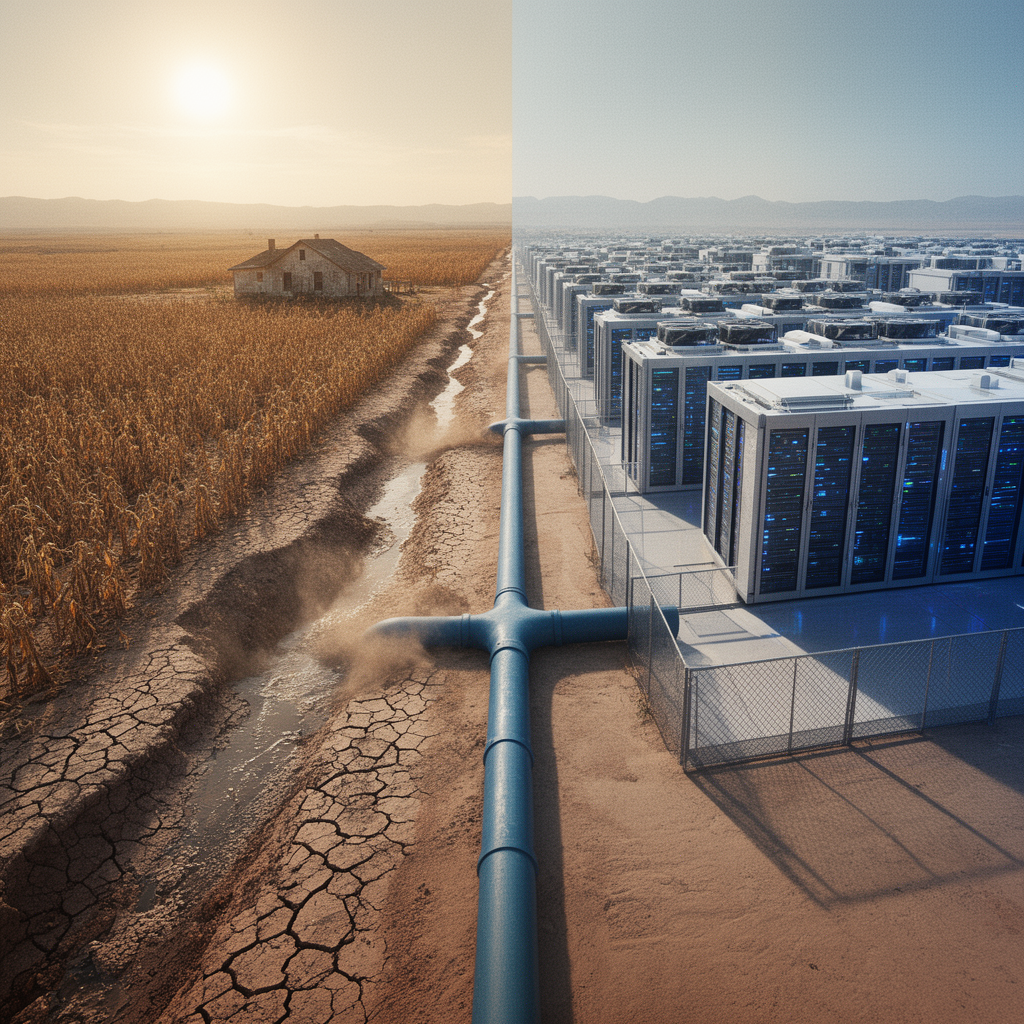
The Southwest's population has boomed over the past several decades, driving up municipal water demand. At the same time, agriculture accounts for roughly 70 to 80% of Colorado River water use, with crops like alfalfa consuming enormous quantities of water in one of the driest regions on Earth.
Rising global temperatures are compounding every other factor. Higher heat means more evaporation from reservoirs, less snowpack, and longer, more intense droughts. Climate models project that the Colorado River's flow could decline by an additional 10 to 30% by mid-century under current emissions trajectories.
The consequences of the Colorado River crisis are already being felt across the region:
The economic stakes are enormous. The Colorado River Basin generates an estimated $1.4 trillion in annual economic activity. A true Day Zero scenario would trigger agricultural collapse, municipal water emergencies, and a cascade of economic disruptions that would dwarf any previous American water crisis.
The crisis is severe, but it is not without solutions. Across the basin, water managers, engineers, and policymakers are deploying a new generation of smart water technology and drought management strategies that offer genuine hope.
One of the most promising solutions to water scarcity is advanced water reuse, which involves treating wastewater to a level where it can be safely reused for drinking, irrigation, or industrial purposes. Some utilities are already achieving 100% wastewater recycling, creating a closed-loop system that dramatically reduces dependence on natural water sources.
In the Colorado River Basin, expanded water reuse programs could offset millions of acre-feet of demand annually. The technology exists. The regulatory frameworks are evolving. What is needed now is the political will and investment to scale these programs rapidly.
Groundwater recharge is the practice of intentionally replenishing underground aquifers with treated water or captured stormwater. It is emerging as a critical tool for water resilience. By storing water underground during wet years, communities can build a buffer against drought that surface reservoirs simply cannot provide.
Arizona's Groundwater Replenishment Program is one of the most advanced in the nation, and it offers a model for how aquifer storage can be integrated into a comprehensive water management strategy.
Perhaps the most exciting frontier in water resources management is the application of artificial intelligence and data analytics to drought prediction and water system optimization. New tools like TroutCast, launched in June 2026 to forecast drought impacts on fisheries, represent just the beginning of what AI can do for water management.
Smart water technology applications include:
Since agriculture accounts for the vast majority of Colorado River water use, even modest improvements in irrigation efficiency can have an outsized impact on overall supply. Drip irrigation, deficit irrigation strategies, and shifts toward less water-intensive crops are all tools that can dramatically reduce agricultural water demand without sacrificing food production.
Federal programs like the Inflation Reduction Act's water conservation provisions have directed billions of dollars toward agricultural water efficiency in the Colorado River Basin, a recognition that solving the crisis requires addressing its largest driver.
While expensive and energy-intensive, desalination is increasingly being considered as a long-term supplement to natural water supplies in the Southwest. Mexico and the United States have explored a joint desalination plant on the Sea of Cortez that could deliver water to both countries. As technology improves and costs decline, desalination may play a growing role in the region's water future.
The Colorado River crisis is not just a problem for water managers and policymakers. Every person and community in the basin has a role to play in water conservation and drought resilience.
For municipalities and utilities:
For agricultural producers:
For households and businesses:
The Colorado River "Day Zero" crisis is a defining challenge of our time, but it is also a catalyst for the kind of innovation, cooperation, and investment that can transform how we manage water in an era of climate change.
The solutions exist. Water reuse, aquifer recharge, smart water technology, agricultural efficiency, and demand management can collectively close the gap between supply and demand in the Colorado River Basin. But they require urgency, investment, and a willingness to make difficult decisions about how water is allocated and used.
The river that built the American West is telling us something important: the old ways of managing water are no longer sufficient. The communities, utilities, and leaders who embrace smart, sustainable water management today will be the ones who thrive in the decades ahead.
The Colorado River water crisis of 2026 is not a distant problem. It is unfolding in real time, affecting real communities, real farms, and real ecosystems. Lake Mead's declining levels are a visible, measurable countdown clock, and the window for action is narrowing.
Whether you are a water utility manager, a farmer, a policymaker, or a concerned citizen, the message is the same: the decisions made in the next few years will determine whether the American West has a water-secure future.
At Land & Watersheds, we are committed to advancing the science, technology, and policy solutions that can meet this challenge. From smart water management systems to sustainable resource planning, we work with communities and organizations across the region to build water resilience that lasts.
Contact Land & Watersheds today to learn how our water resources expertise can help your community, utility, or organization prepare for a water-secure future.
Explore our water management solutions
What is Day Zero?
Day Zero is the point at which a water supply system can no longer deliver water to its users. In the context of the Colorado River, it refers to the moment when communities like the Coachella Valley receive zero water allocation from the river.
When will Lake Mead reach dead pool?
As of June 2026, water managers project that Lake Mead could reach dead pool, the level at which water can no longer flow through Hoover Dam, within two to four years if current trends continue.
What states depend on the Colorado River?
Seven U.S. states depend on the Colorado River: Arizona, California, Colorado, Nevada, New Mexico, Utah, and Wyoming. Mexico also holds treaty rights to a portion of the river's flow.
What is the best solution to the Colorado River water crisis?
There is no single solution. A combination of water reuse and recycling, aquifer recharge, smart water technology, agricultural efficiency improvements, and demand management offers the most realistic path to long-term water security in the basin.